|

|
MEI650: IDENTIFICATION OF OPAQUE MINERALS (FORMERLY COM460)
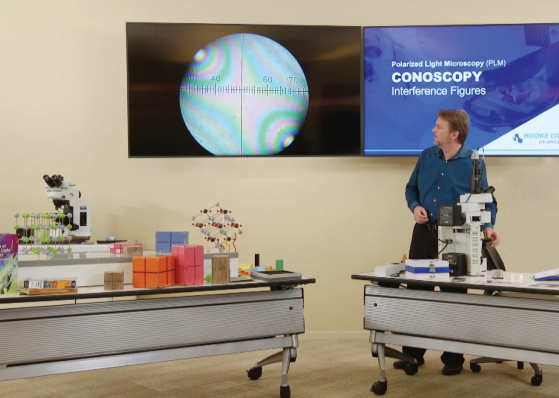
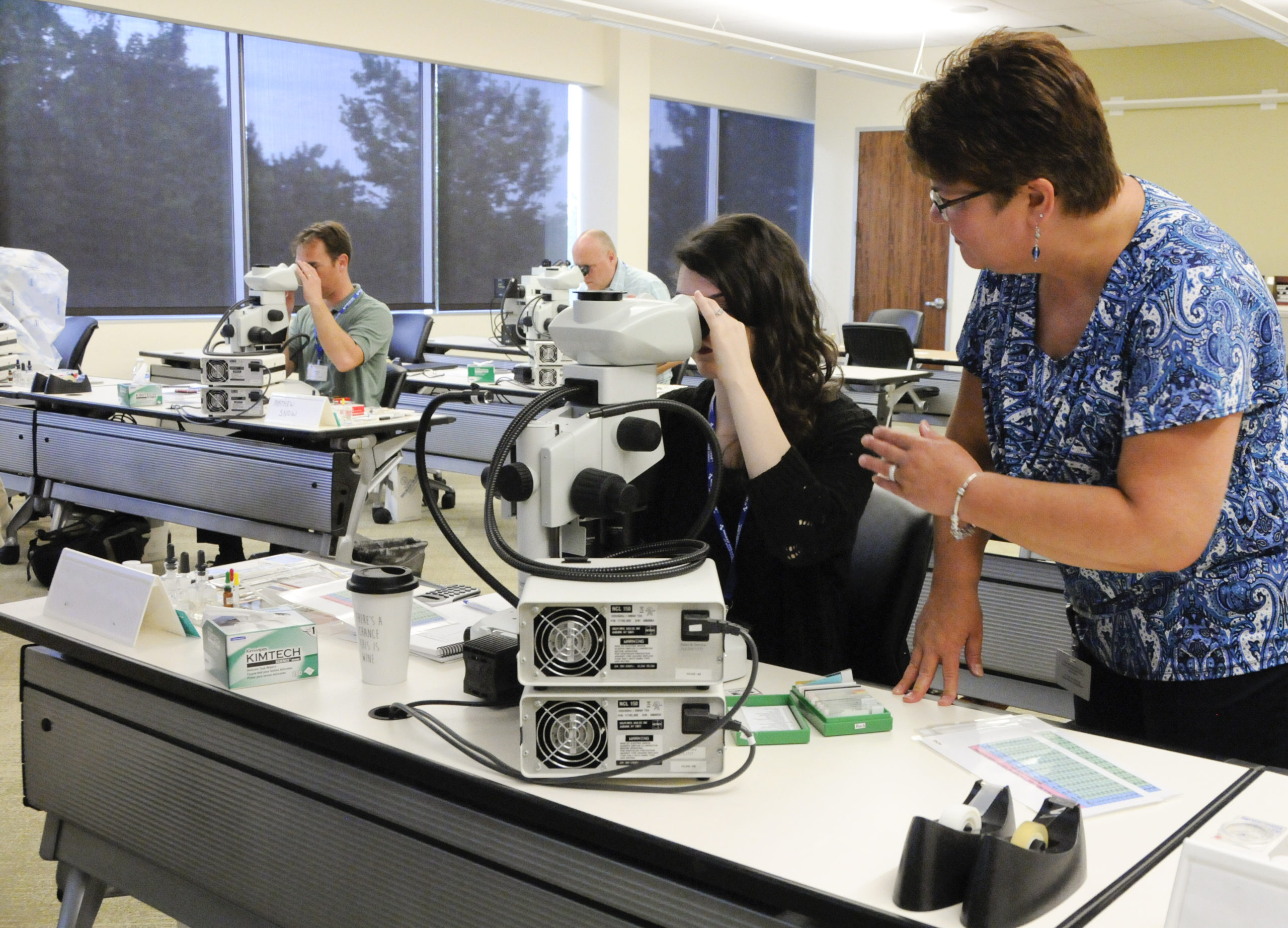
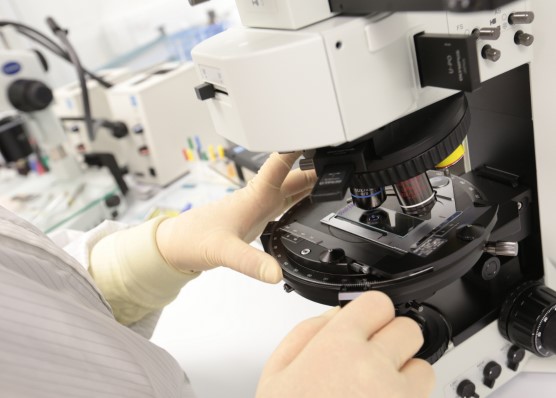
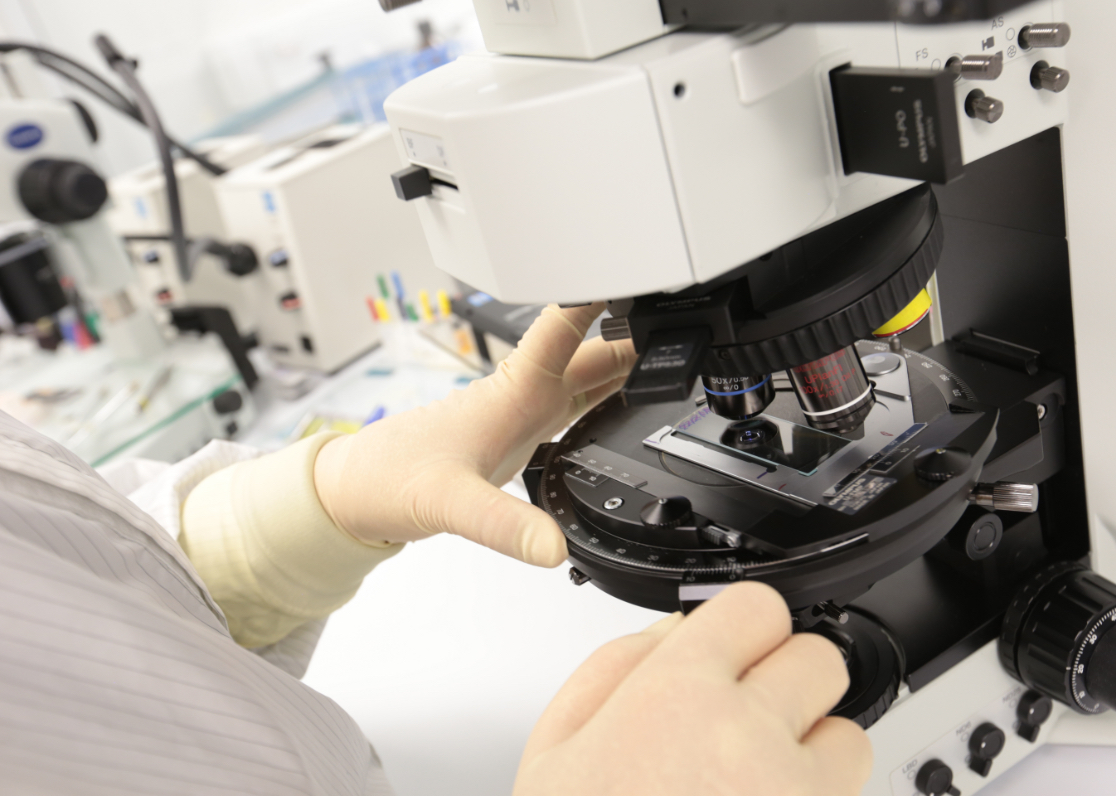
This course focuses on the optical characterization of opaque minerals using a polarized light microscope and reflected light. Samples studied are mostly ore minerals, but the general principles and techniques can be applied across a broad spectrum of metallurgical and other materials. Emphasis will be on mineral identification using both plane and partly crossed polarized light, in addition to quantitative measurement of reflectance. Additional topics covered, include fundamentals of reflected light theory for isotropic and anisotropic materials, factors affecting reflectance and micro-indentation hardness, illuminating conditions (including orthoscopic and conoscopic observation), optical mineralogy and systematic schemes of mineral identification.
|
|
Date
|
Times & Locations
|
Instructor(s)
|
Credits
|
Cost
|
7/18/2011 -
7/20/2011
|
Westmont, IL
| Mon: | 8:00 AM-5:00 PM
|
| Tues: | 8:00 AM-5:00 PM
|
| Wed: | 8:00 AM-5:00 PM
|
|
Kile
|
2
|
|
Are you interested in this course, but it is either not offered or not at a time that works with your schedule? Let us know and we will notify you when it is available next.
Offline registration is available by calling the registrar at 630-887-7100 or by downloading the offline registration form, completing it, and faxing to 630-887-7412.
* If a scheduled course is full, you may be placed in a waiting list.
- Crystal symmetry
- Isotropism/anisotropism
- The reflected light microscope: objectives, condenser, illumination, reflector, adjustment, orthoscopic, and conoscopic setup
- Mounts
- Tools: steel needle, copper needle, etc.
- Text references
- Orthoscopic and conoscopic examination; conoscopic color fringes
- Properties of ore minerals: scratching hardness - steel and copper needles, color, tenacity, magnetism, cleavage, qualitative reflectance (brightness); comparison microscope, quantitative reflectance; visual microphotometer, photometer; sources of error, anisotropic minerals: bireflectance and polarization colors; polarization figures, color in minerals; intrinsic vs. apparent; quantitative color, internal reflection, polishing hardness, Kalb line, oil immersion examination, micro-indentation hardness
- Ore minerals: tungstates, sulfides and sulfosalts, native elements, tellurides, Co-Ni-Fe arsenides, sulfarsenides, common Cu minerals – sulfides, common Cu minerals – oxides, selenides, common oxides
- Fabric and texture
- Paragenesis
- Principles, theory and practice of opaque mineral identification based on the characterization of optical properties using reflected light microscopy.
- Geologists, mineralogists, or anyone involved in microscopical observation, characterization, and identification of opaque minerals and needing an introduction or a review of the fundamentals of reflected light microscopy.
- Detailed course manual
- Essentials of Polarized Light Microscopy by John Gustav Delly
- Olympus BX51 microscope for each student
- INS500: Modern Polarized Light Microscopy
- Undergraduate science background
Students are expected to successfully complete a variety of tasks in the form of hands-on exercises, laboratory exercises, identifications of unknowns, and quizzes. In addition, the students are required to have 100% attendance during the course, participate in class, complete a student evaluation form and pre and post course assessment forms.
The student is notified at the end of the course whether or not they have successfully completed the requirements of the course based on:
- 100 % attendance
- class participation
- completion of all course material
- completed and signed student evaluation form
- completed pre and post course assessment forms.
Upon successfully meeting these requirements, a student is awarded a certificate of completion and IACET CEU credits, if available. Those who have not successfully passed the course requirements do not receive a certificate or IACET CEU credits.

|

|