|

|
MEI605: HAIR COMPARISON (FORMERLY COM401)
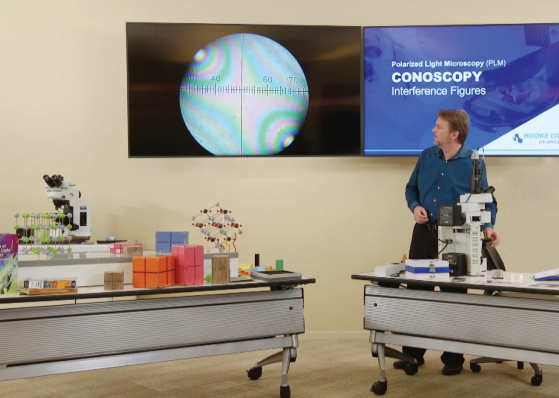
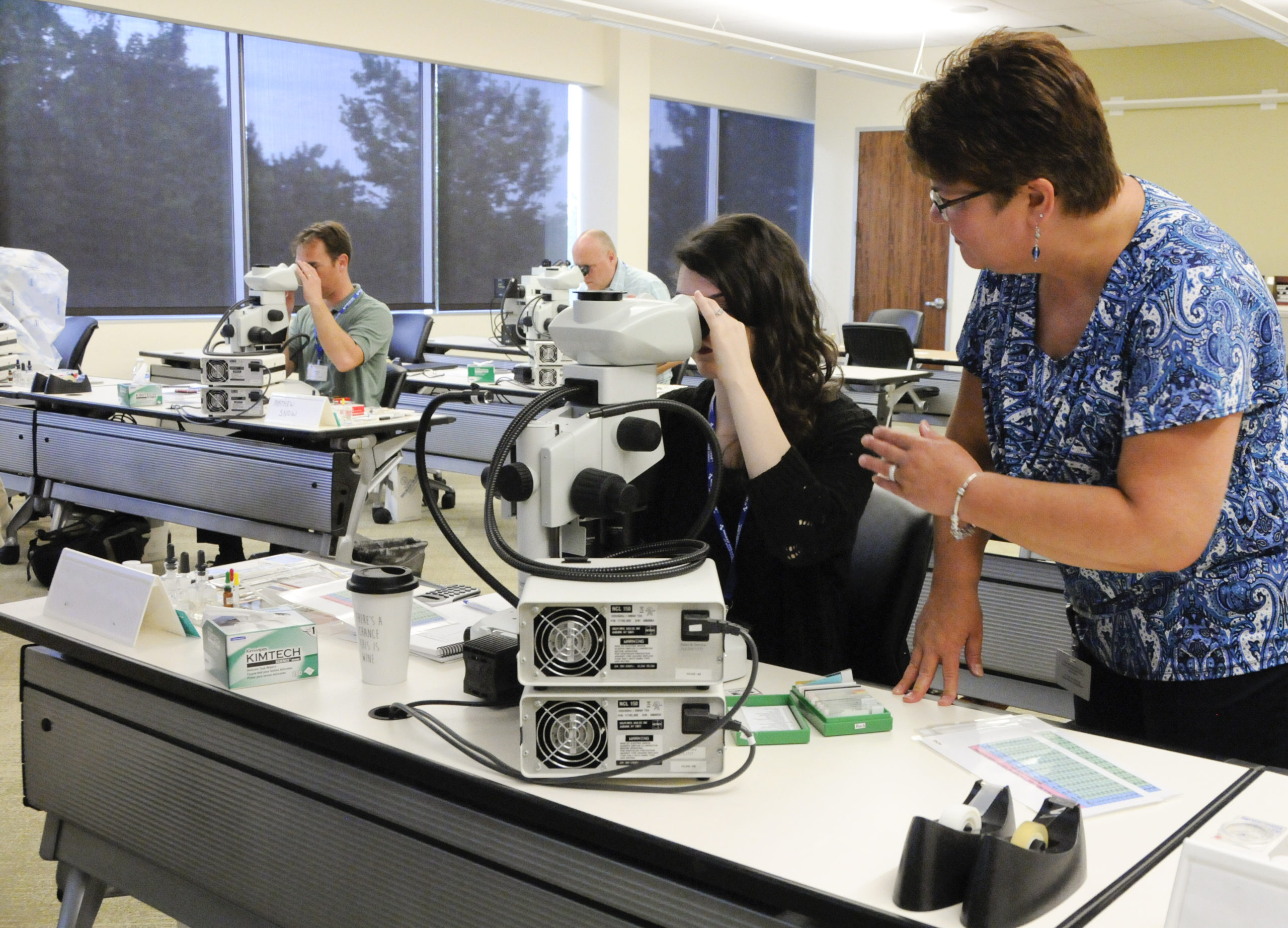
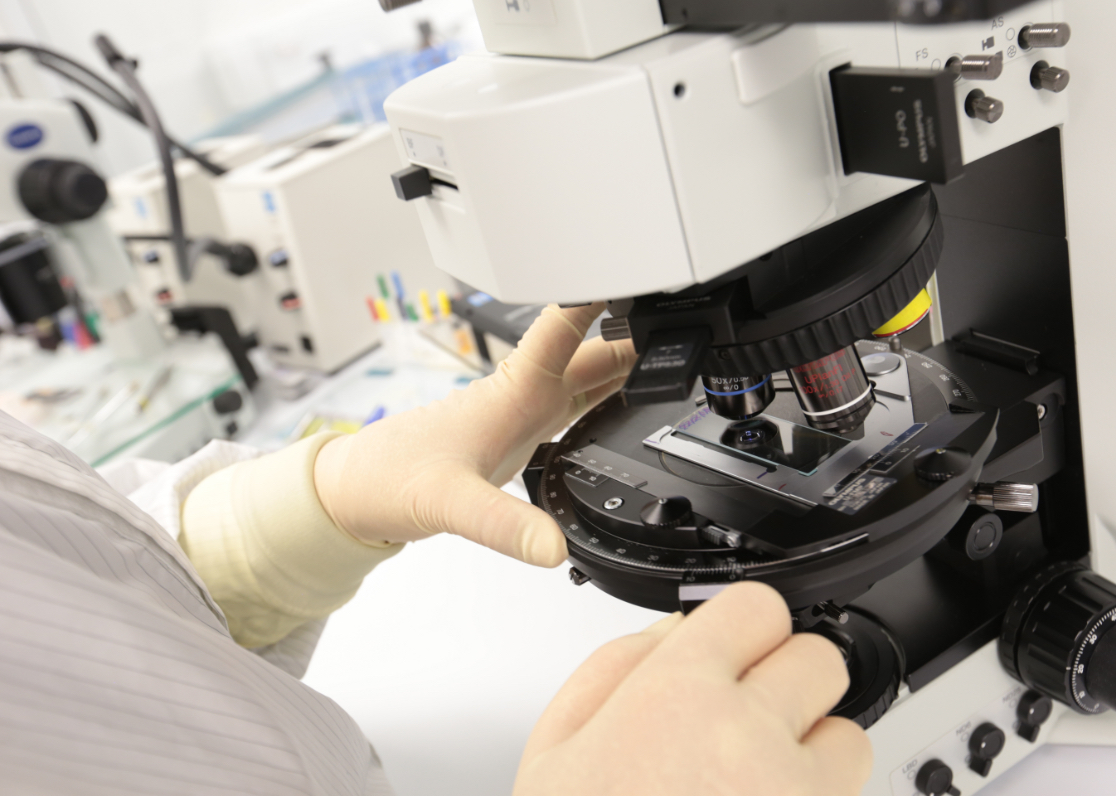
This course offers this Special Forensics course as an initial introduction to forensic hair comparison. This course introduces the student to the principles and practice of forensic hair comparison using microscopy and DNA analysis. The course concentrates on practical use of stereomicroscope, polarizing microscope and comparison light microscope for the forensic comparison of human hairs for the purpose of individualization. This course does not provide hands-on instruction in DNA analysis, although the subject is discussed because it is essential to the forensic hair comparison. There is instruction in the characterization of hair roots for purposes of selecting hairs for DNA analysis.
At the conclusion of this course, the student should be capable of beginning hair examinations, under direct supervision, and continuing the necessary study and practice required of proficiency. Competency and continued proficiency needs to be proven in the home laboratory to the satisfaction of the home laboratory.
|
|
Date
|
Times & Locations
|
Instructor(s)
|
Credits
|
Cost
|
5/23/2011 -
5/27/2011
|
Westmont, IL
| Mon: | 8:00 AM-5:00 PM
|
| Tues: | 8:00 AM-5:00 PM
|
| Wed: | 8:00 AM-5:00 PM
|
| Thurs: | 8:00 AM-5:00 PM
|
| Fri: | 8:00 AM-12:00 PM
|
|
Bisbing
Wiley
|
3.5
|
|
Are you interested in this course, but it is either not offered or not at a time that works with your schedule? Let us know and we will notify you when it is available next.
Offline registration is available by calling the registrar at 630-887-7100 or by downloading the offline registration form, completing it, and faxing to 630-887-7412.
* If a scheduled course is full, you may be placed in a waiting list.
- HAIR EVIDENCE: History and Value; Hair Variation; Sampling
- HAIR MICROSCOPY: Köhler Illumination; Balanced Illumination; Contrast; Mountants
- HAIR STRUCTURE: Gross Appearance; Surface Features; Internal Structure; Hair Micrometry
- TRANSFER: Persistence; Contamination Control
- GROWTH AND REPLACEMENT: Follicles; Roots
- BIOLOGICAL PROFILE: Identification; Species Origin; Racial Origin; Somatic Origin; Tips; Deposition; Microtraces
- HAIR COMPARISON: Attributes; Analysis of Errors; Gaudette Rules
- FEATURES: Color; Structure; Treatment
- PROTOCOL: Guidelines; DNA
- CONCLUSIONS: Report; Testimony
- Sample preparation
- Basic theory and technique in the use of polarized light microscopy for hair evidence characterization
- Use of a transmitted light comparison microscope for side-by-side comparison of human hair features and traits
- Practical skills for use by hair examiners
- Basic techniques for hair comparison
- History of hair examination and general hair terminology
- Transfer and persistence of hair evidence
- Hair morphology; development of the hair follicle, structure of the hair follicle, growth stages and loss of hair, structure hair shaft
- Differences in human hair and animal hair
- Racial group and body area determinations
- Selection of hairs for DNA analysis
- Forensic human hair comparison
- Evidential value of hair evidence
- Conclusions and interpretations of human hair comparison for report writing and expert witness testimony.
- Inexperienced forensic scientists and criminalists with new responsibilities for hair analysis.
- Experienced forensic hair examiners who desire additional training.
- DNA analysts who require training for hair analysis.
- Detailed course manual
- Essentials of Polarized Light Microscopy
- Olympus BX51 microscope for each student
- Olympus SZX10 stereomicroscopes for each student
Students are expected to successfully complete a variety of tasks in the form of hands-on exercises, laboratory exercises, identifications of unknowns, and quizzes. In addition, the students are required to have 100% attendance during the course, participate in class, complete a student evaluation form and pre and post course assessment forms.
The student is notified at the end of the course whether or not they have successfully completed the requirements of the course based on:
- 100 % attendance
- class participation
- completion of all course material
- completed and signed student evaluation form
- completed pre and post course assessment forms.
Upon successfully meeting these requirements, a student is awarded a certificate of completion and IACET CEU credits, if available. Those who have not successfully passed the course requirements do not receive a certificate or IACET CEU credits.

|

|